Celebrating Innovation
Water Treatment Plant Capital Improvements
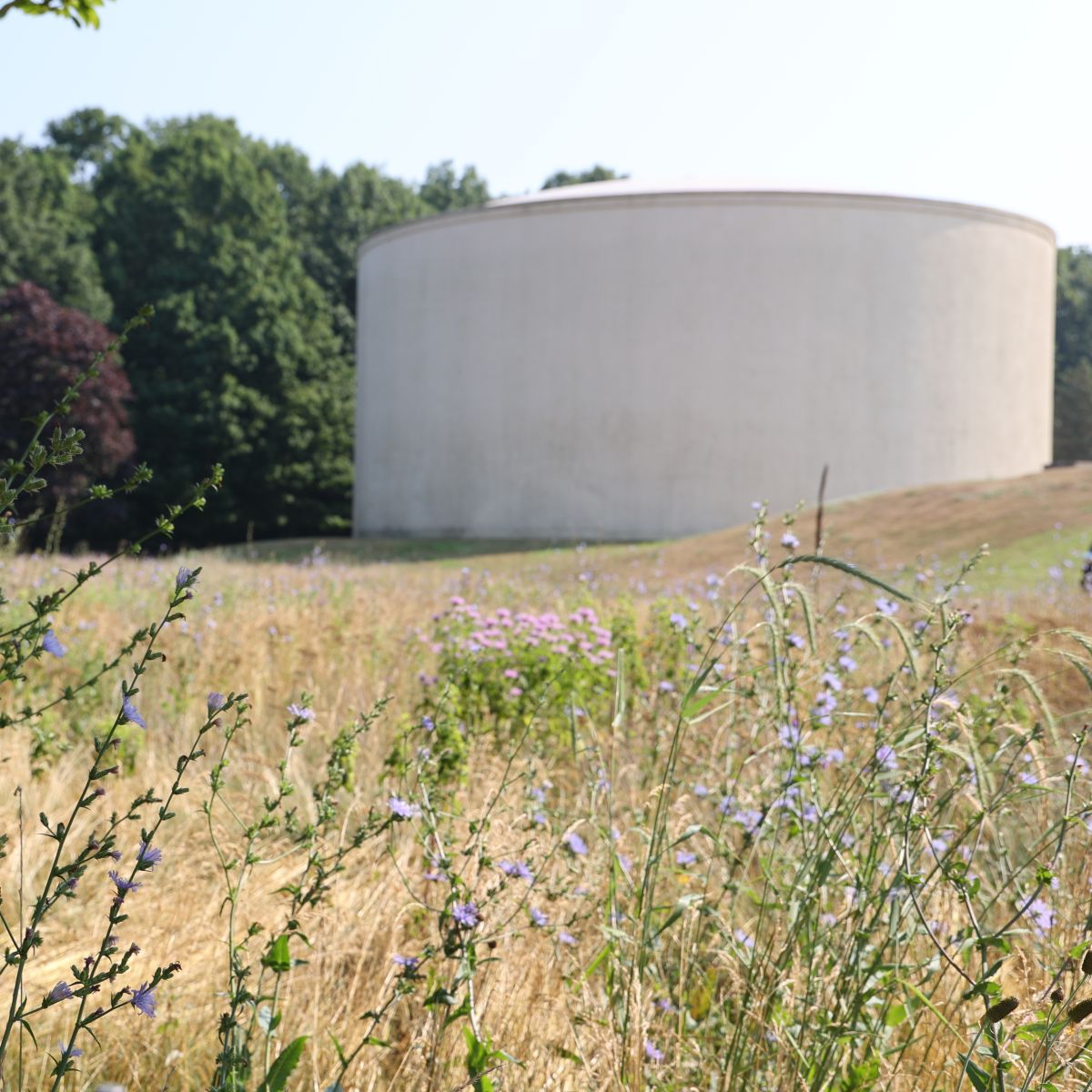
Built in the 1950s, the Water Treatment Plant (WTP) is unique in its multi-level design. While much of the infrastructure that treats our Lake Michigan water is underground on the surrounding property, the main building has a relatively small footprint that has been expanded over the years to accommodate more rapid sand filters. The three-story building houses most of the bulk chemicals on its third floor.
Planning for Future Success
As with our other utilities, Holland BPW plans far in advance to ensure that our customers continue to have access to reliable, essential services like drinking water. Part of that includes keeping our facilities up-to-date and using space efficiently. Currently, some components of the chemical storage area at our Water Treatment Plant are nearing the end of their useful life. Sitting on the third floor of the plant, the chemical storage area is neither convenient, nor optimized for safety.
To improve our space and relocate the chemical storage, we began a capital project for the Water Treatment Plant. This project is a large undertaking that tackles many aspects and improvements in the most cost-effective manner.
The Project
Chemical Storage
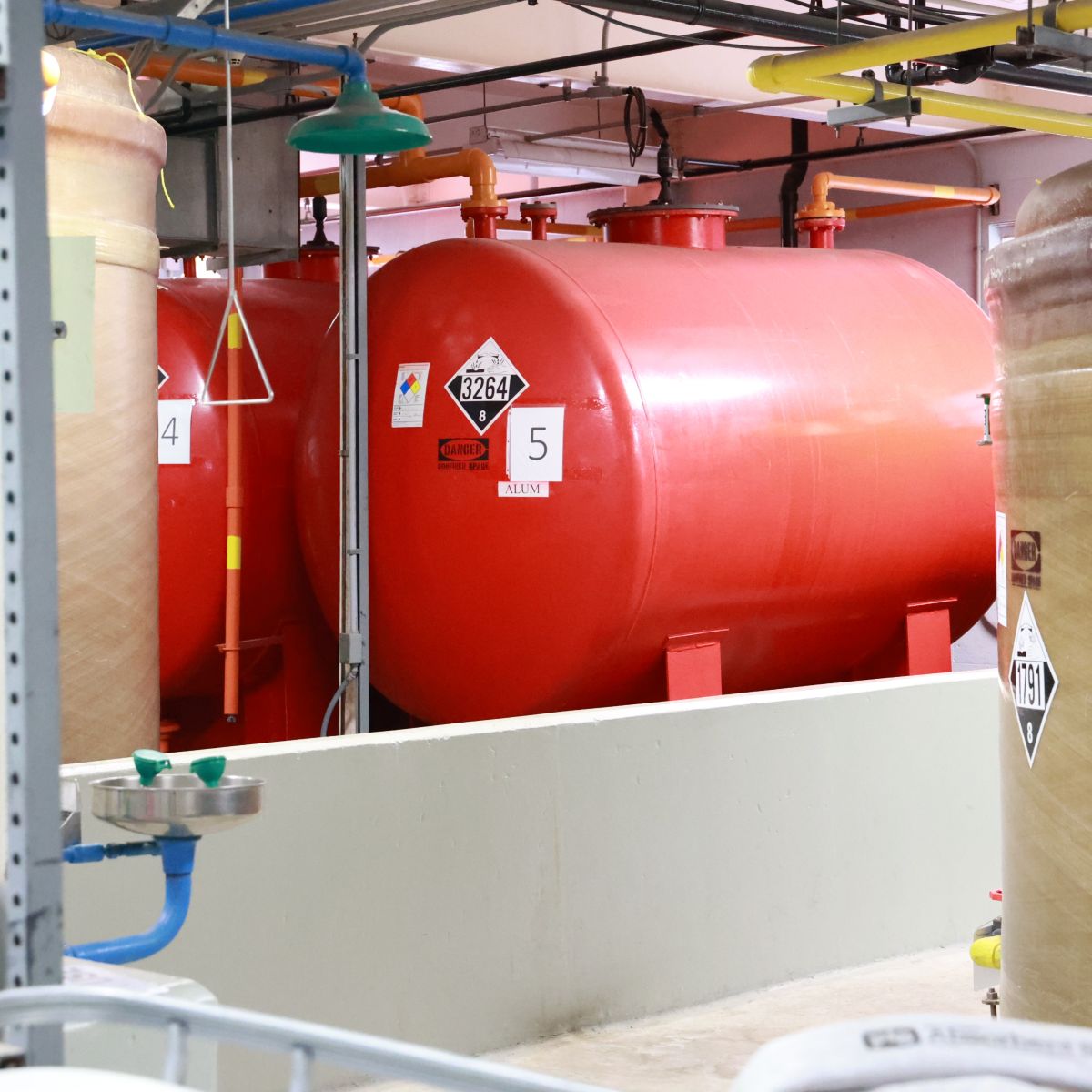
One of the largest parts of this project is to relocate chemical storage to the ground floor. To accommodate the change, we are expanding the WTP’s filtration building east of the existing maintenance garage. This new area will allow our three main chemicals in the treatment process to have more physical separation from each other, increasing safety. It is also innately safer to have the chemicals on the ground floor. Just as it is advisable to keep raw meat on the bottom shelf of your fridge so that there are no opportunities for leaks onto other food, it’s also best practice to keep chemicals on the lowest floor.
These new chemical tanks and space will also increase our potential chemical storage capacity. This allows the necessary chemical reserves required to treat more water in the future to meet our growing community’s needs.
Elevators
Currently, one of the chemicals is delivered to the facility in large totes that must be carted up a freight elevator to the third floor. Moving them to the ground floor eliminates the need for these trips and for the elevator itself, which will be removed as part of construction. The freight elevator is original to the 1950s building. Finding parts for maintenance and repairs has become increasingly difficult and costly, so a code-compliant stairwell will be added in place of the freight elevator.
In addition to the freight elevator, the facility has an existing passenger elevator that only services the first and second floors of the building. That existing passenger elevator will be replaced with a new elevator that will provide access to all three floors. This will allow for the current chemical storage area on the third floor to be repurposed to occupied space, improving the staff and visitor experience at the site.
Dehumidifier
Underneath our rapid sand filters is a gallery of pipes that move water into the filters for treatment and out of the filters to storage. Depending on the time of year and the temperature of the water, this room can collect condensation on the pipes. For over 30 years, the facility has used a large dehumidifier to keep our pipe gallery dry. The dehumidifier was aging, natural gas-powered and ran at a single fan speed.
As part of a separate project, we replaced the aging dehumidifier with a more effective system. The new system includes a continuously running fan, duct header and electric dehumidifier to better care for our pipe gallery. Work on the dehumidifier replacement was closely coordinated with the chemical storage project. To make the dehumidifier work easier and safer for vendors, the chemical storage project added a new exterior access door to the room that houses the dehumidifier. Previously, the only access to the room was through a narrow doorway located inside the building.
General Improvements
Along with the new addition to the building, our facility will also undergo rehabilitation and updating. This includes:
- Recoating and improving the fluoride room including new bulk tanks and piping
- Moving all fluoride system components to one room
- Creating a new polymer storage room on the first floor of the existing building
- Adding a circular driveway for improved access by tanker trucks bring bulk chemical deliveries.
Keeping the Water Flowing
With so many improvements happening at once, this capital project requires a lot of orchestration. Even with chemicals moving physical locations, elevators and stairs being renovated, and the dehumidifier being replaced, we have never lost sight of our primary purpose. All of this work has been coordinated carefully to keep the water plant operating. Its primary function is to deliver safe drinking water to our customers and construction has not hampered that mission.
Each of these changes will keep our Water Treatment Plant providing reliable, essential drinking water for years to come. We look forward to completing this major improvement project in 2026.