Celebrating Innovation
Community Engagement: Solving Real-World Utility Problems
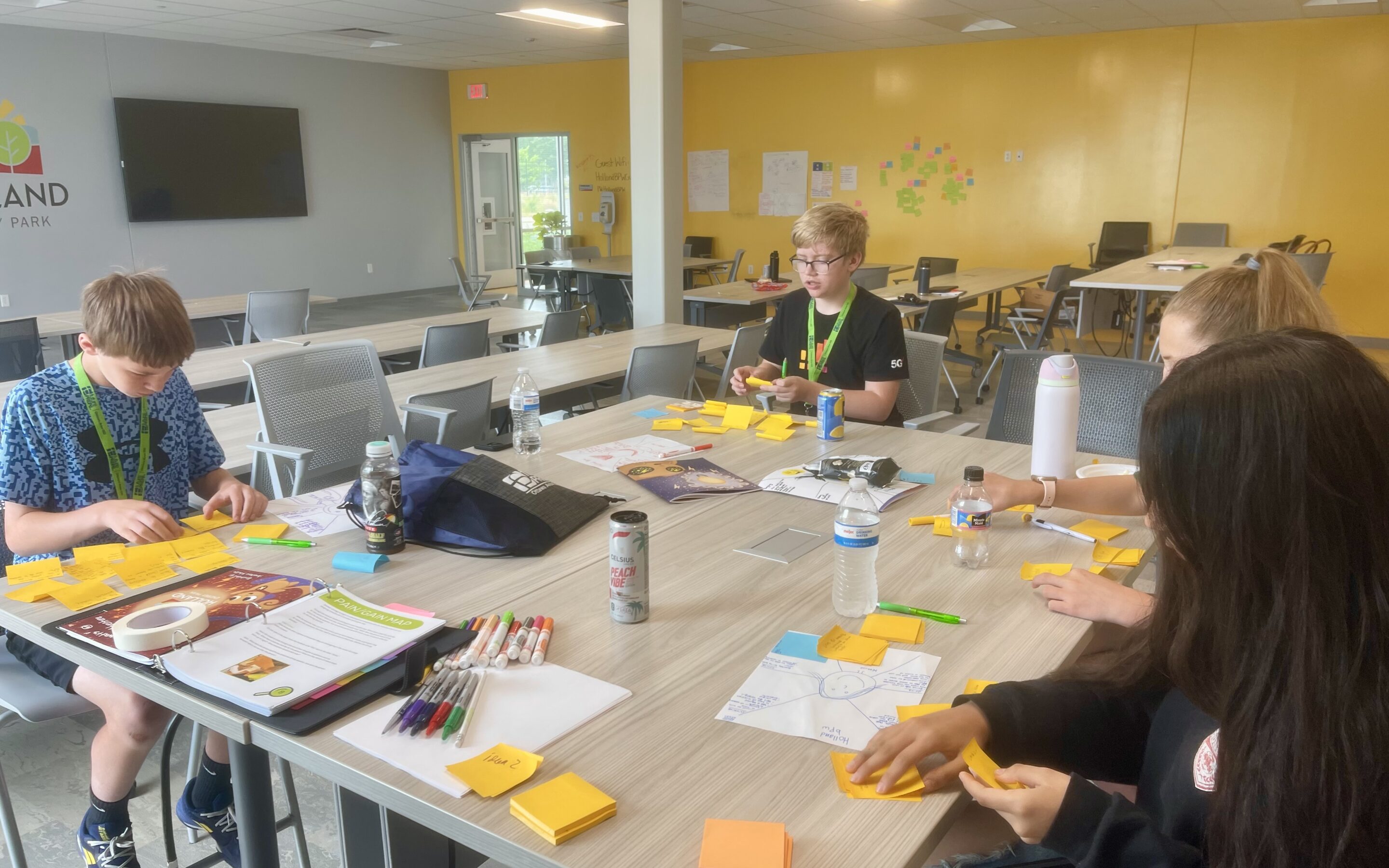
Classroom learning has made many transformations through the years including a shift to project-based learning models. Project-based learning (PBL) is a teaching method that gives students the opportunity to take the lead in their own learning by encouraging them to develop knowledge through authentic, hands-on experiences solving real-world problems.
Bringing Real-World Learning to the Classroom
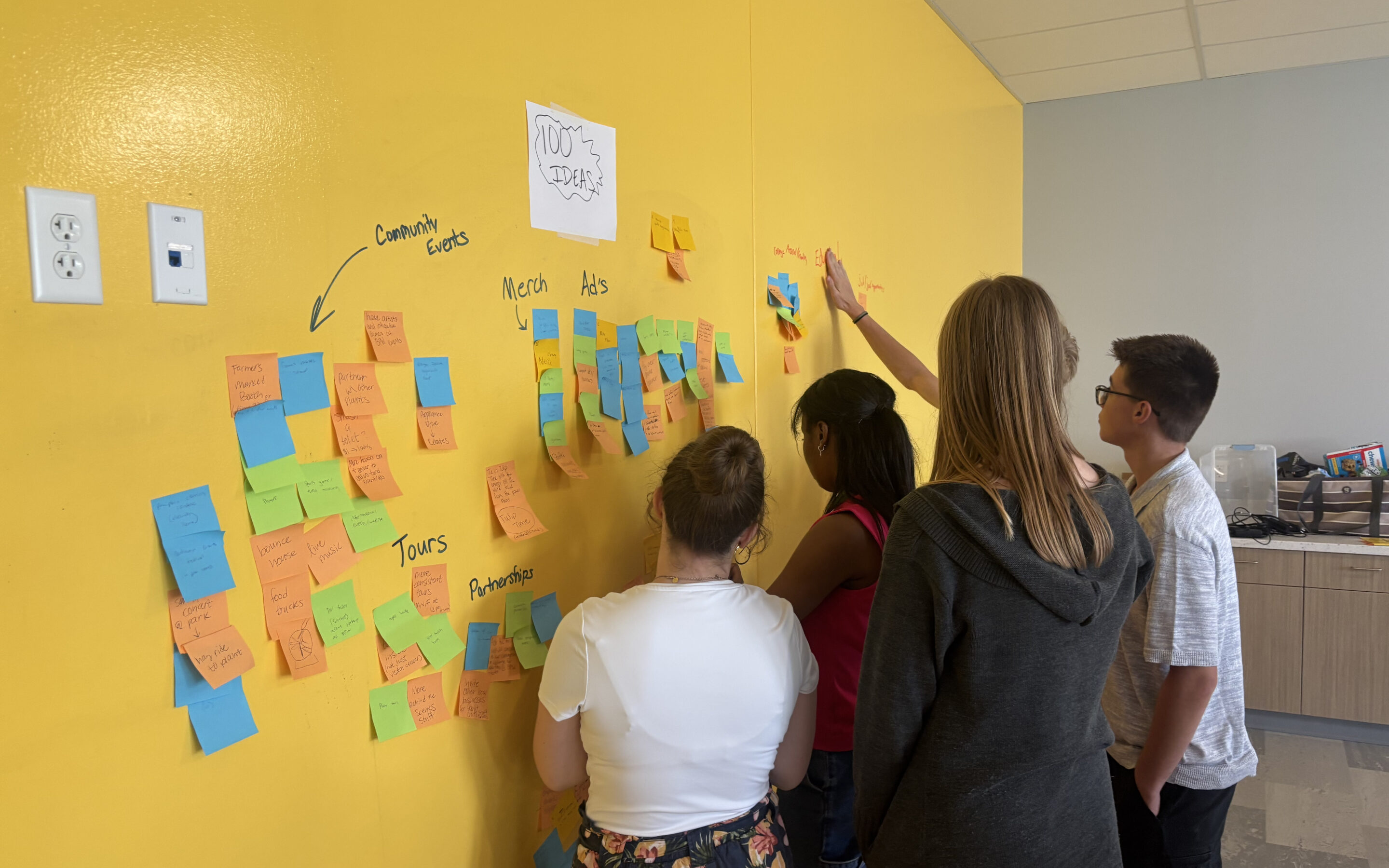
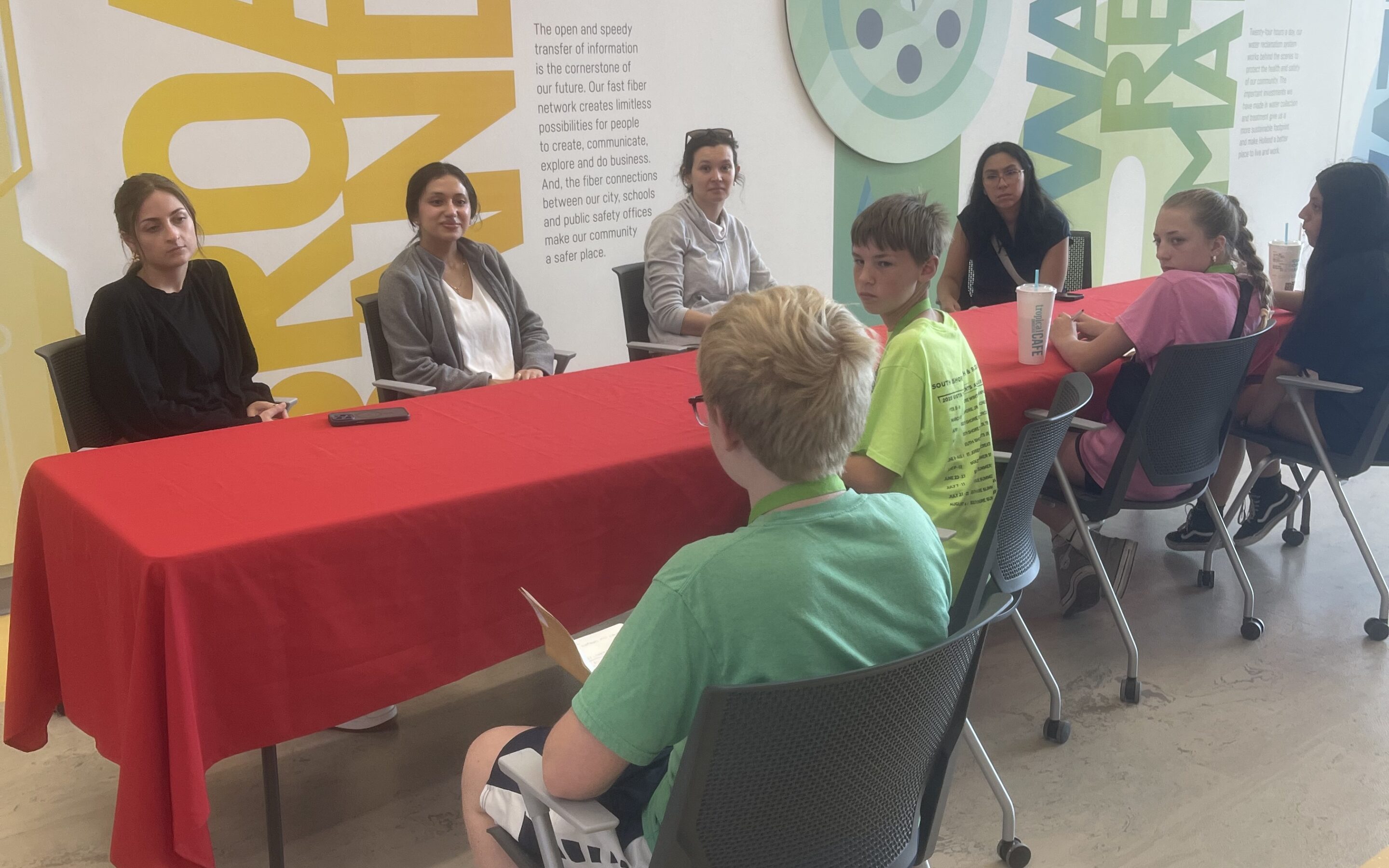
According to PBLworks.org, when students learn through PBL they are not only learning how to research to answer a question, but they also gain confidence and develop critical thinking and problem-solving skills. With many PBL experiences, students are given a problem, or “driving question”, to solve. Students then choose how to investigate the driving question. These investigations often include meeting with professionals and getting real-world answers, feedback, and suggestions. With students taking the lead, teachers act as guides, mentors and facilitators rather than lecturing. This allows the students to create authentic experiences on their own.
Community Partnership in Action
Holland BPW has engaged in project-based learning with students for many years from area schools like Holland Public, West Ottawa, Grand Haven. We have also worked closely with Careerline Tech Center’s futurePREP’d program. “BPW has been a fantastic partner to educators across Ottawa Area and beyond. BPW engages students and educators from K-12 by opening their doors to showcase career opportunities, allowing students to work on Design Thinking challenges. As a partner, the BPW exposes students to a variety of authentic issues, allows students to have a voice in the community, and supports students tackling challenges that impact our world. We are fortunate to have them work with hundreds of students and educators each year,” says OAISD futurePREP’d Program Developer, Nicole Gitler.
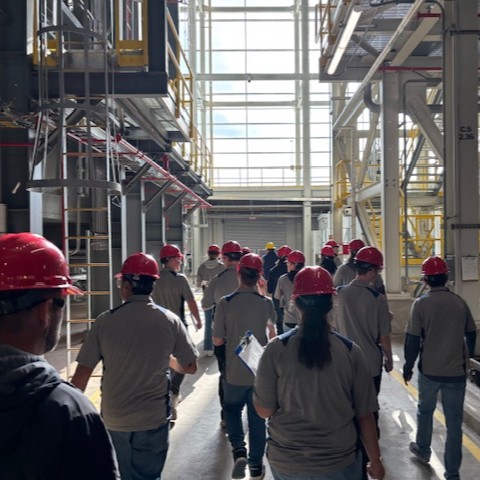
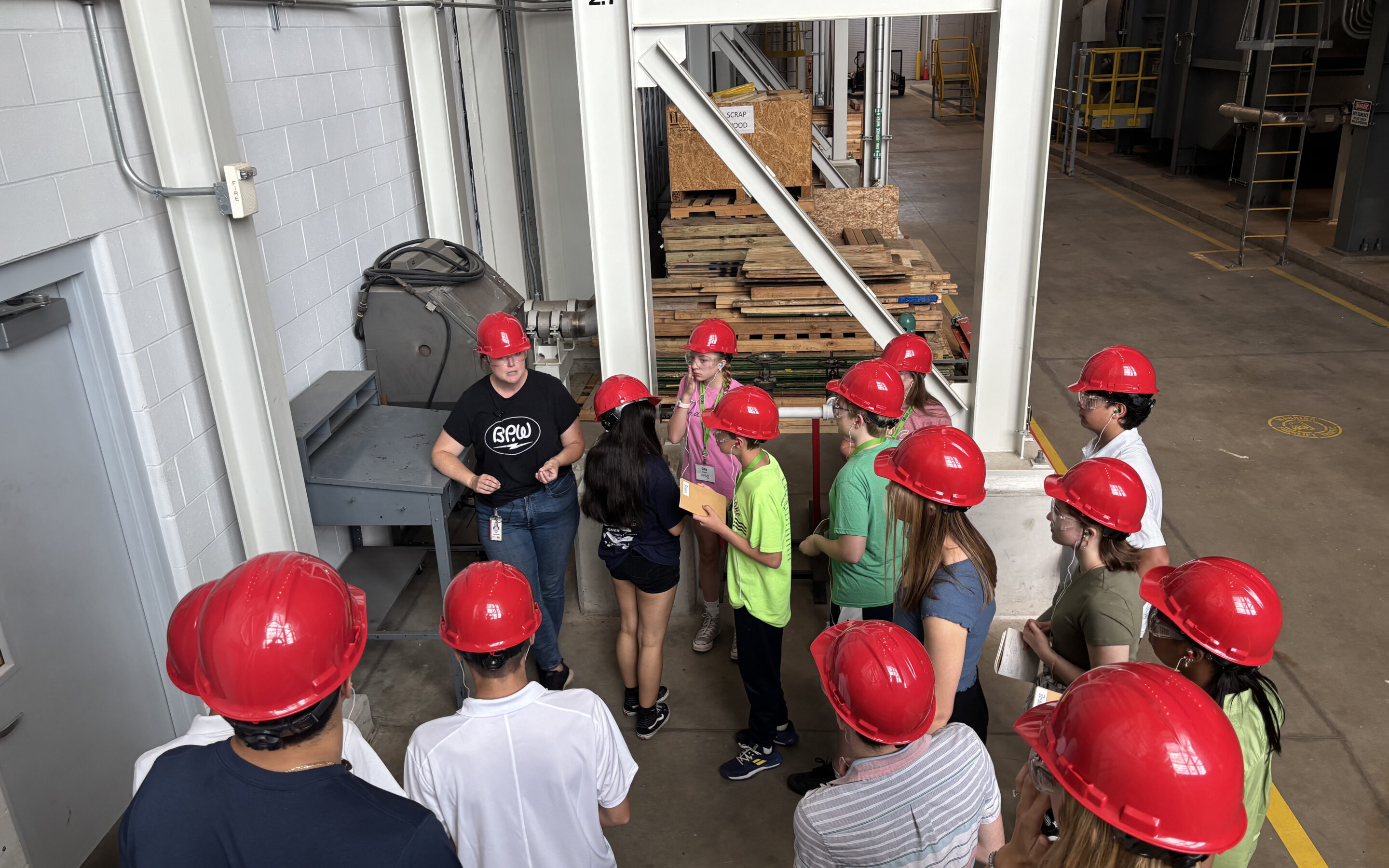
These partnerships led BPW to develop customizable PBL experiences for teachers to request. These programs include, “The Natural and Human Water Cycles,” and “The Science of Energy.” Teachers choose from experiences such as touring BPW facilities, interviewing BPW staff, playing games, doing activities, and using real equipment to learn about the importance of water and wastewater treatment and energy.
“PBL is crucial to student learning. It provides relevance in the classroom and allows students to practice [workplace skills]. It gives opportunities to explore careers and solve authentic challenges. Students are more engaged and get to practice leadership skills while building their resume,” says Gitler.
Preparing Tomorrow’s Innovators
Offering authentic challenges for students through hands-on learning initiatives strengthens our future workforce and introduces young learners to the utility industry. Each of the careers at Holland BPW require unique skill sets and training. By working with students, they have the benefit of seeing real-life problems, meeting real-life members of their community, and providing solutions. These connections and skills set them up for success as future members of our community and workforce. We take pride in investing in students who might someday create innovative utility solutions for Holland.